
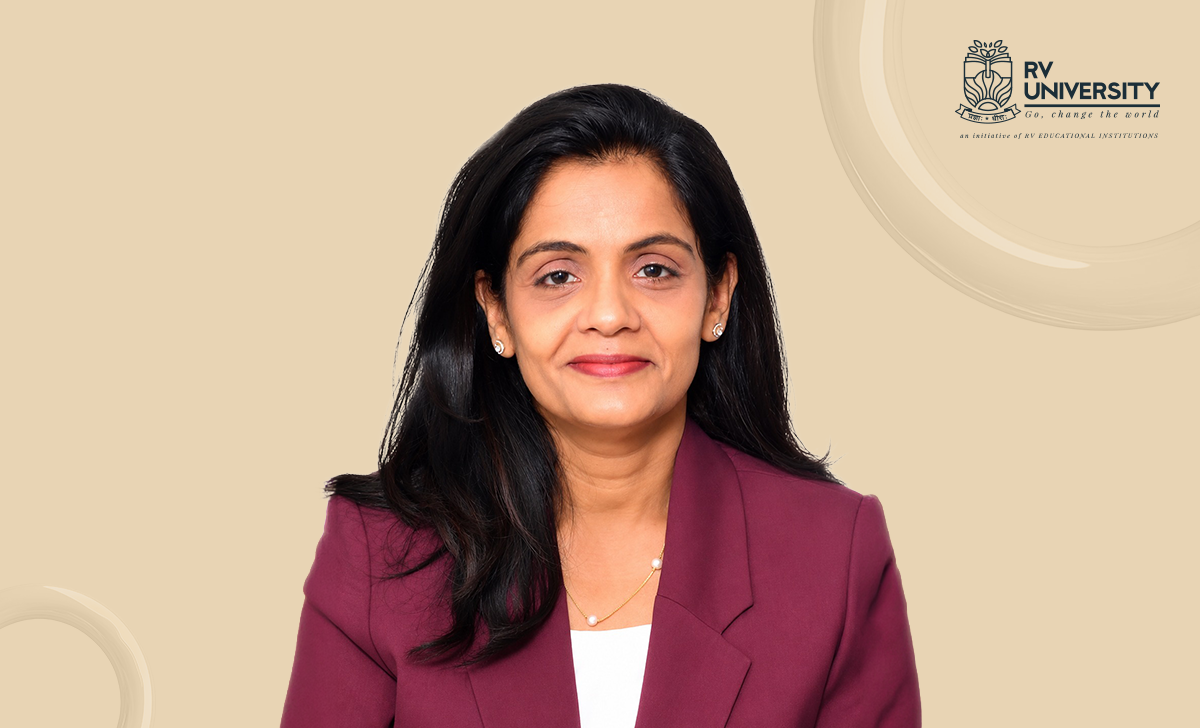
Dr.Uma Madhusudhan
Assistant Professor
About
My academic and professional trajectory reflects a sustained engagement with both technical and managerial disciplines, culminating in a commitment to higher education and leadership development. I commenced my formal education with a degree in Computer Science Engineering, which provided me with a strong analytical foundation and exposure to problem‑solving methodologies. Subsequently, I pursued an MBA in Operations Management, a program that sharpened my understanding of organizational processes, efficiency frameworks, and strategic decision‑making.
Following my postgraduate studies, I entered the oil and gas sector in the Gulf region, a domain characterized by its complexity, volatility, and highly diverse workforce. Working in this environment offered me invaluable insights into the challenges and opportunities inherent in managing multicultural teams. It was within this context that I developed a keen interest in leadership competencies—specifically, the skills required to foster cohesion, motivation, and performance in diverse organizational settings. This interest evolved into a doctoral research project, wherein I examined leadership skills essential for effectively handling diverse teams. My PhD thus represents a synthesis of practical industry experience and rigorous academic inquiry.
During the course of my research, I identified a significant gap between academic discourse and the realities of corporate and industrial practice. While theoretical models often emphasize idealized frameworks, the dynamic nature of global workplaces demands adaptive, context‑sensitive leadership. Recognizing this disconnect, I chose to pursue an academic career with the explicit intention of bridging this gap. My pedagogical philosophy is grounded in preparing students not only with theoretical knowledge but also with practical skills, critical thinking abilities, and resilience to navigate the complexities of the professional world.
As an academic, my overarching objective is to cultivate future leaders who can thrive in diverse environments, embody ethical responsibility, and contribute meaningfully to both organizational success and societal progress.
Leading Diverse Teams: Impact of Leadership Skills on Teams’ Success
Research Focus: Examines how leadership skills influence the performance and success of diverse organizational teams.
Core Competencies Studied: Communication, adaptability, inclusivity, conflict management, and transformational behaviours.
Methodology: Mixed‑method approach combining empirical analysis with theoretical frameworks to assess leadership effectiveness.
Key Findings:
Diverse teams offer creativity and innovation but face challenges from cultural differences and interpersonal dynamics.
Effective leadership transforms diversity into strength, enhancing cohesion, innovation, and overall team success.
Inclusive and transformational leadership behaviours significantly improve outcomes in multicultural contexts.
Contribution to Scholarship: Bridges the gap between academic theory and corporate practice by demonstrating the practical relevance of leadership skills in diverse environments.
Practical Implications: Provides actionable insights for leadership development programs, emphasizing the need to prepare leaders who can manage diversity constructively.
Overall Significance: Establishes leadership skills as central—not peripheral—to the success of diverse teams, offering a framework that integrates academic rigor with real‑world application.
Research Interests
Leadership,Diversity,Sustainability,organsiation behaviour
Event
International Conference at Westford University, UAE
Paper Presented
Managing Diversity: Analysing the Impact of Leadership Competencies on Enhancing Team Performance
Achievement
Awarded Best Paper for its contribution to understanding how leadership competencies foster cohesion and performance in diverse organizational teams.
Research Significance
Demonstrated the practical and academic relevance of leadership skills in managing diversity, bridging theory with real‑world organizational challenges.
Dr.Uma Madhusudhan
Assistant Professor
PhDSchool of Economics and Business
-
 umamadhusudhan@rvu.edu.in
 -
 Bengaluru
 Academics
 Admissions
 Faculty
 Enquire