
M Sneha
Assistant Professor

About
Ar. Sneha Manjunath is an Architect, Urban Designer, Educator and Ph.D. scholar with over eight years of professional experience and more than six years of academic engagement in design education. She is currently associated with RV University, Bengaluru, where she contributes to teaching, academic mentoring, curriculum development, institutional quality initiatives and design-based learning.
Her academic journey reflects a strong commitment to architecture, interiors, urban design, research, and student development. Prior to joining RV University, she served as the Head of the Department – Interior Design at Nitte School of Fashion Technology and Interior Design, where she was actively involved in academic administration, curriculum planning, departmental coordination and institutional development. She also served as IQAC Coordinator and played a significant role in leading the institution through its first NAAC accreditation cycle.
Sneha has contributed as a BOE and BOS member for various universities and autonomous institutions, including Bengaluru University, Bengaluru City University, Nitte (Deemed-to-be) University and Mount Carmel College. Her academic contributions include research publications, conference presentations, guest lectures, webinars, faculty development programmes and masterclasses.
Alongside her academic role, she has also worked on projects, with experience in residential, commercial and retail designs across Bengaluru, Hyderabad, Delhi and Mangaluru. Her design practice demonstrates expertise in concept development, space planning, detailing, material understanding, and project execution.
Known for her excellent communication skills, creative outlook, cheerful personality and commitment to teaching, Sneha brings a balanced blend of academic depth, professional practice, research orientation and design sensitivity. Her interests in art, dance, painting, travel and cooking further enrich her creative approach. At RV University, she continues to contribute as a passionate educator and design professional committed to shaping thoughtful, skilled and socially responsible design learners.
Published in Scholarly Research Journal for Interdisciplinary Studies
“Significance of Architecture & Conservation Today, for a Better Future” - Presented at International Conference on Civil, Architectural and Environmental Sciences (ICAES-22)
Deeply interested in connecting vernacular architecture principles with the needs of contemporary users.
Strongly believes in Indian roots, cultural identity, traditional wisdom and context-sensitive design.
Values the use of local materials, climate-responsive planning and sustainable spatial practices.
Believes that design should preserve heritage while responding to modern lifestyles and urban challenges.
Envisions cities as holistic, inclusive, accessible and safe spaces for all communities.
Believes that better infrastructure can improve quality of life and create more meaningful urban experiences.
Research Interests
Vernacular architecture and its relevance in contemporary design practices.
Integration of Indian architectural traditions, cultural knowledge and regional design principles into modern built environments.
Climate-responsive and context-sensitive design using local materials, traditional techniques and sustainable spatial strategies.
Relationship between architecture, cultural identity, community life and everyday user experience.
Inclusive urban design and infrastructure planning for creating safer, accessible and holistic cities.
Sustainable interior and architectural practices that connect heritage, functionality and contemporary user needs.
Urban environments that support social inclusivity, safety, cultural continuity and improved quality of life.
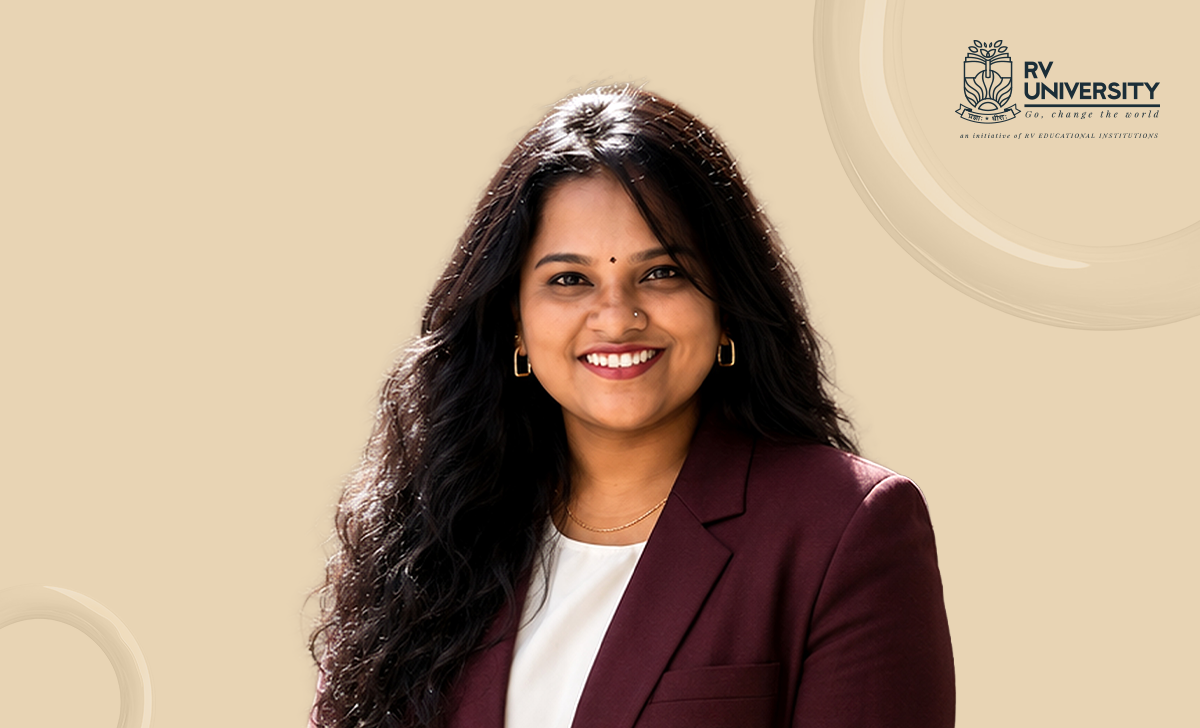
M Sneha
Assistant Professor
(Ph.D), M.Arch (Urban Design), B.ArchSchool of Design and Innovation
-
 msneha@rvu.edu.in
 -
 Bengaluru

 Academics
 Admissions
 Faculty
 Enquire